Streamlining Global Trade: Essential Shipping and Logistics Services
 admin_sear
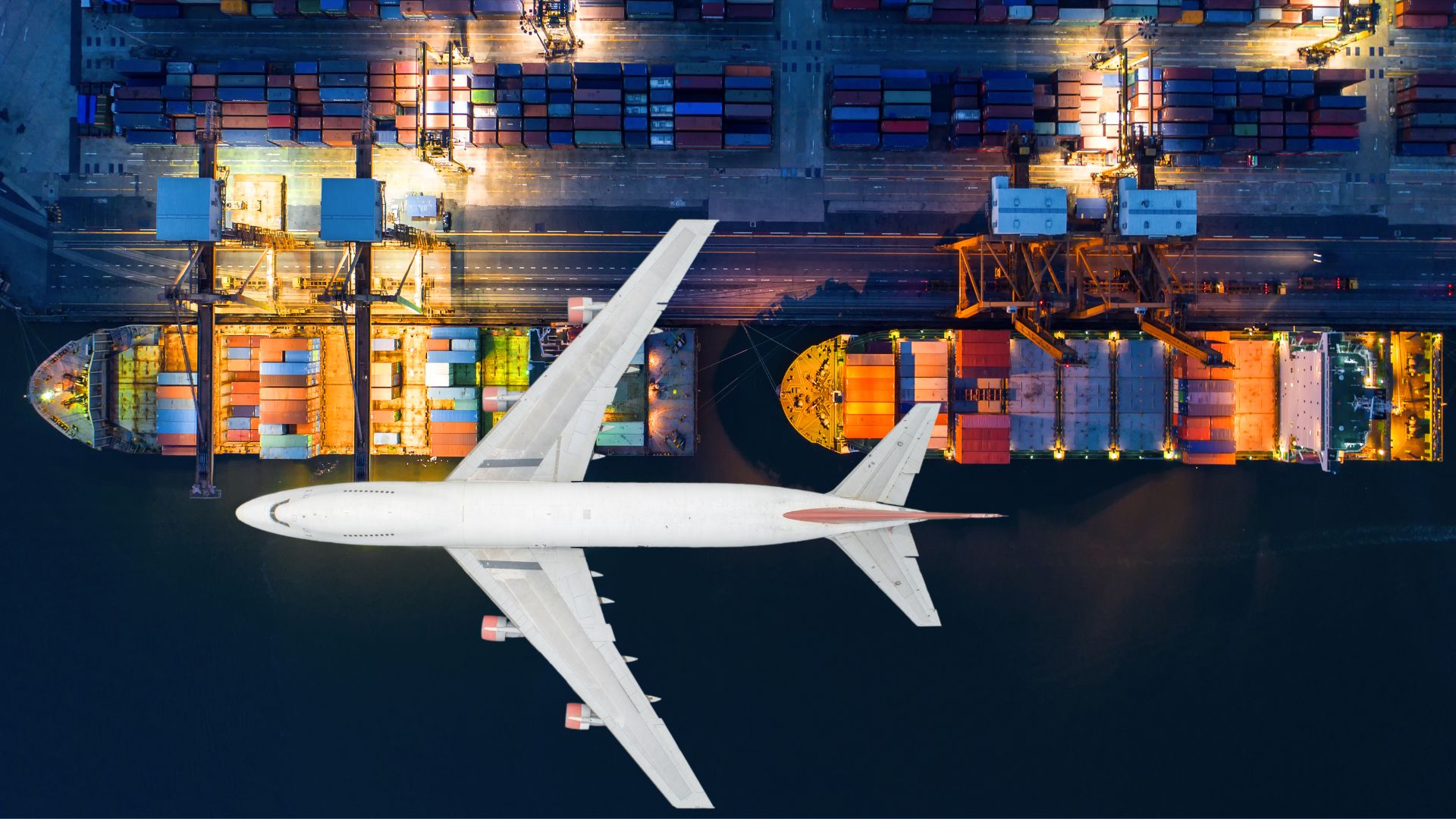
 In the fast-paced world of global trade, businesses rely on a web of intricate services to ensure the smooth movement of goods across borders. Among these essential services, sea freight, air freight, customs clearance, and multimodal transportation stand out as the cornerstones of efficient shipping and logistics. Let’s dive into each of these services to understand their significance in today’s interconnected world.
1. Sea Freight Service: Navigating Vast Oceans
The Backbone of Global Trade
Sea freight service is the backbone of international shipping. It involves the transportation of goods via ocean vessels, allowing businesses to move large quantities of cargo efficiently. Sea freight is ideal for transporting bulky items, raw materials, and goods with longer lead times.
Cost-Effective and Reliable
One of the key advantages of sea freight is its cost-effectiveness for long-distance transportation. It’s a reliable option for businesses that prioritize cost savings and can plan for longer transit times.
2. Air Freight Service: Speed and Precision
Expedited Delivery
When speed is of the essence, air freight service is the go-to choice. It offers rapid delivery of goods, making it indispensable for time-sensitive shipments. Perishable goods, high-value products, and urgent medical supplies often rely on air cargo.
Global Reach
Air freight services connect businesses to a vast global network. They enable access to remote and landlocked regions where other modes of transportation may be impractical.
3. Customs Clearance Services: Navigating Regulatory Hurdles
Ensuring Compliance
Customs clearance services are the unsung heroes of international trade. They specialize in navigating the complex web of customs regulations, tariffs, and documentation requirements. These experts ensure that goods clear customs smoothly, avoiding delays and penalties.
Risk Mitigation
Customs clearance professionals also help businesses mitigate risks associated with incorrect declarations or non-compliance. Their expertise is invaluable in maintaining a reputation for reliability in the global market.
4. Multimodal Transportation: Seamlessly Connecting Modes
The Art of Coordination
Multimodal transportation combines various modes of transport, such as sea, air, rail, and road, into a single, integrated solution. This approach optimizes routes, reduces costs, and enhances overall efficiency.
Flexibility and Reliability
By seamlessly switching between modes as needed, multimodal transportation provides flexibility and reliability, ensuring that goods reach their destination on time, regardless of unforeseen circumstances.
Conclusion: The Synergy of Services
In the dynamic world of shipping and logistics, these four services—sea freight, air freight, customs clearance, and multimodal transportation—work in harmony to facilitate global trade. Each service plays a unique role, catering to different needs and scenarios. Whether it’s the cost-effectiveness of sea freight, the speed of air cargo, the compliance expertise of customs clearance, or the coordination of multimodal transportation, businesses can choose the right service to meet their specific requirements.
As we continue to navigate the complexities of international trade, these services remain vital for ensuring the smooth flow of goods across borders. Their collective contribution enables businesses to expand their reach, satisfy customer demands, and thrive in the competitive global marketplace. In the end, it’s the synergy of these essential services that keeps the wheels of global trade turning, connecting businesses and consumers across continents.
Recommended Posts
Shipping and Logistics: Navigating the Complex World of Global Trade
September 4, 2023